Groin Injury: Causes, Recovery, and What Athletes Need to Know
When you feel a sharp pull in your inner thigh during a sprint or a sudden change of direction, you’re likely dealing with a groin injury, a strain or tear in the muscles that connect the pelvis to the thigh, often affecting the adductor group. Also known as a pull or strain in the inner thigh, it’s one of the most frustrating injuries for athletes because it doesn’t heal quickly and often comes back if not treated right. This isn’t just a minor tweak—it’s a real setback that can sideline players for weeks, even months.
Groin injuries happen most often in sports that demand quick cuts, explosive sprints, or heavy kicking—think soccer, hockey, rugby, and track. Players like those on the Atlas Lions, Morocco’s national football team preparing for the Africa Cup of Nations, or Arsenal, a Premier League club dealing with multiple player injuries including Magalhães and Ødegaard, know this all too well. A groin strain isn’t just about pain; it’s about lost training time, disrupted team dynamics, and delayed returns to peak performance. The injury often overlaps with other muscle issues—like hamstring strain, a tear in the back of the thigh that shares similar movement patterns and recovery needs—making diagnosis tricky if you’re not looking closely.
Recovery isn’t just rest. It’s rehab. That means controlled movement, targeted strengthening, and correcting imbalances before jumping back into play. Many athletes rush back too soon because they think the pain is gone, but the muscle hasn’t fully healed. That’s when re-injury happens. Proper rehab includes mobility drills, eccentric strengthening, and core stability work—all things coaches and physios track closely. It’s not magic; it’s science. And it’s why teams like those in the Bundesliga, Germany’s top football league where player fitness is tightly monitored invest so much in sports medicine.
What you’ll find in these articles isn’t just random injury reports. It’s a pattern. From Arsenal’s injury crisis to the physical demands on African footballers, these stories all tie back to one thing: how the body breaks under pressure, and how smart teams respond. Whether it’s a soccer player pulling up mid-game or a sprinter feeling that familiar twinge, the same rules apply. Know the signs. Respect the timeline. Don’t gamble with your body.
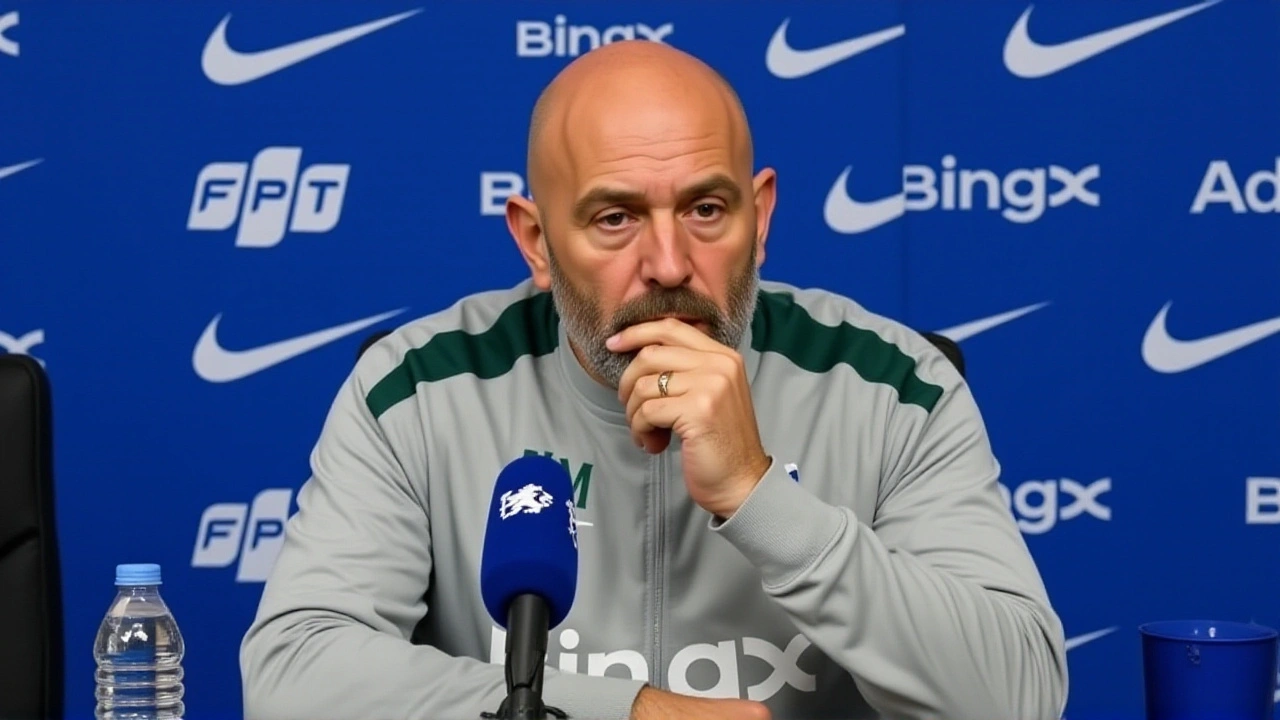
Enzo Maresca admits error as Cole Palmer’s groin injury sidelines him for six more weeks
Chelsea manager Enzo Maresca admits he was wrong about Cole Palmer’s groin injury, confirming the star midfielder will miss six more weeks — dashing hopes of a December return and threatening Chelsea’s top-four push.
Categories
- Sports (148)
- Politics (22)
- Entertainment (21)
- World (15)
- News (10)
- Lifestyle (8)
- Business (6)
- Technology (3)
- Health (3)
- Environment (2)
Popular Articles