Real Madrid's Florentino Pérez Calls Early Elections, Denies Resignation
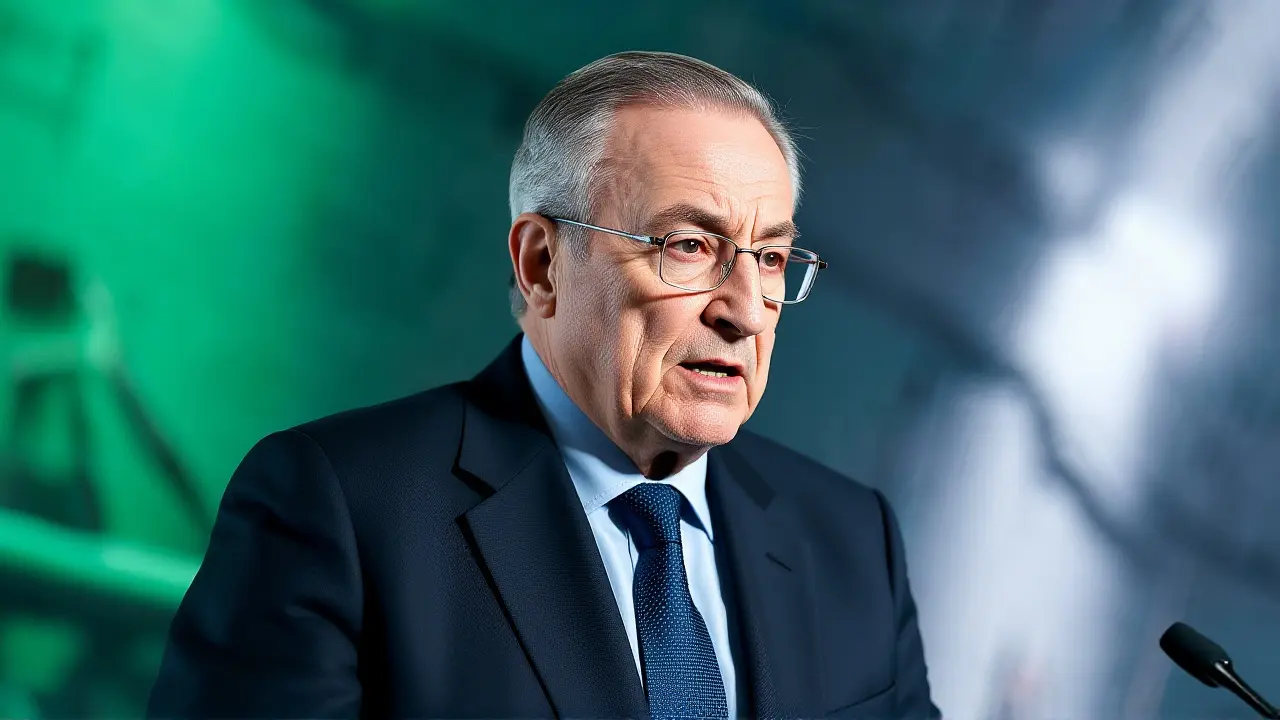
When Florentino Pérez, President of Real Madrid C.F., stepped into the press room at Ciudad Real Madrid on Tuesday, May 14, 2026, he didn't just bring answers. He brought a bombshell that sent shockwaves through Spanish football. The club’s long-time leader announced an emergency call for presidential elections—three years earlier than scheduled—while firmly shutting down rumors that he was stepping down or suffering from health issues.
The timing is everything here. With the club’s governance under intense scrutiny and media narratives swirling about internal fractures, Pérez decided to take control of the narrative. By moving the election timeline up from 2029 to late May 2026, he’s forcing the membership to decide the club’s future now, not later. It’s a bold power play, one that suggests confidence but also hints at underlying tension within the organization.
A Power Move Against "Conspiracy"
Pérez didn’t mince words during his hour-long address. He accused journalists of orchestrating a "conspiracy" to destabilize the club, claiming they were trying to strip members of their ownership rights. That’s heavy language for a man who has dominated Spanish football politics for nearly two decades. Since taking office in 2009, Pérez has won five consecutive elections without opposition—a streak that speaks volumes about his grip on the club’s institutional machinery.
But this time, things are different. Or so Pérez wants us to believe. By inviting challengers, he’s positioning himself as the defender of democracy within the club’s unique member-owned structure. Yet there’s an irony here: if you’ve been unopposed for fifteen years, does opening the door to competition really signal strength—or vulnerability?
"They’ll have to throw me out at gunpoint because I have the support of all Real Madrid members," Pérez declared, laughing off concerns about his tenure. It’s the kind of statement that feels both triumphant and defensive. You can almost hear the subtext: *I’m still in charge, and I’m not going quietly.*
The UEFA Dossier and the Ghost of Barcelona
Beyond the electoral drama, Pérez dropped another significant announcement: Real Madrid will submit a formal dossier to UEFA regarding the ongoing Negreira refereeing scandal. This isn’t just bureaucratic procedure—it’s a direct challenge to FC Barcelona, Pérez’s arch-rival.
Recall the context: In 2019, former referee committee secretary Jesús María Losada (known as "Negreira") revealed that referees had been instructed to favor Barcelona in key matches. While no charges were filed against specific officials, the revelations sparked outrage across Spain. Now, with new evidence allegedly gathered by Real Madrid, Pérez claims seven league titles were "stolen" from him over his presidency.
"I’ve won seven league titles but I could’ve won 14," he said, suggesting systemic bias in officiating decisions. Whether these claims hold water remains to be seen, but the mere act of submitting a dossier to UEFA signals that Pérez intends to keep the pressure on Barcelona—and potentially reshape how European football handles historical grievances.
Internal Turmoil: Leaks Over Locker Room Fights
In perhaps the most telling moment of the press conference, Pérez addressed a physical altercation between midfielders Aurélien Tchouaméni and Federico Valverde. Rather than focusing on the fight itself—which he dismissed as something that "happens every year"—he expressed deeper concern about the leak of information surrounding it.
"The leak is worse, we don’t know who it was," Pérez said, highlighting what appears to be growing unease about transparency within the club. If players’ private disputes are being shared externally before official statements, it raises questions about trust and communication inside the locker room. For a club built on discipline and hierarchy, such leaks represent more than gossip—they’re potential cracks in the foundation.
What’s Next for Real Madrid?
The early elections create uncertainty, especially since Pérez refused to discuss managerial changes or on-field strategy. Fans are left wondering: Is this purely political maneuvering, or does it reflect broader dissatisfaction with current leadership? Some analysts suggest that Pérez may be testing the waters, gauging whether his base remains loyal amid rising criticism.
Historically, when presidents call early elections, it’s often because they sense shifting tides. Think back to 2006, when Ramón Calderón resigned amid financial chaos, paving the way for Pérez’s return. Today’s situation echoes those moments—not necessarily in crisis, but in anticipation of change.
Frequently Asked Questions
Why did Florentino Pérez call for early presidential elections?
Pérez stated he called early elections to ensure Real Madrid members retain ownership and defend the club’s interests against what he described as a coordinated effort by journalists to undermine the institution. Originally scheduled for 2029, the vote will now occur within 10–15 days, allowing members to express their stance ahead of any potential external pressures.
Is Florentino Pérez resigning from Real Madrid?
No. During the press conference, Pérez explicitly denied resignation rumors and laughed off speculation about his health. He emphasized his continued commitment to leading the club and claimed strong support among its membership base.
What is the Negreira scandal, and why is Real Madrid involved?
The Negreira scandal refers to allegations that referees favored FC Barcelona in critical matches due to instructions from within La Liga’s refereeing committee. Real Madrid claims seven league titles were unfairly denied them and plans to submit a dossier to UEFA seeking further investigation into past incidents.
How many times has Florentino Pérez been elected president?
Pérez has won five consecutive presidential elections since returning to power in 2009. Each election was uncontested, meaning he ran without opposition. His latest term was set to end in 2029, making the decision to hold early elections highly unusual.
Who might run against Florentino Pérez in the upcoming election?
As of now, no candidates have officially declared their intention to challenge Pérez. However, by calling early elections, Pérez opens the door for dissenting voices within the membership to organize and present alternatives. Any serious contender would need to demonstrate broad support among the club’s approximately 93,000 voting members.