Madlanga Commission: Witness G to Testify with Distorted Voice
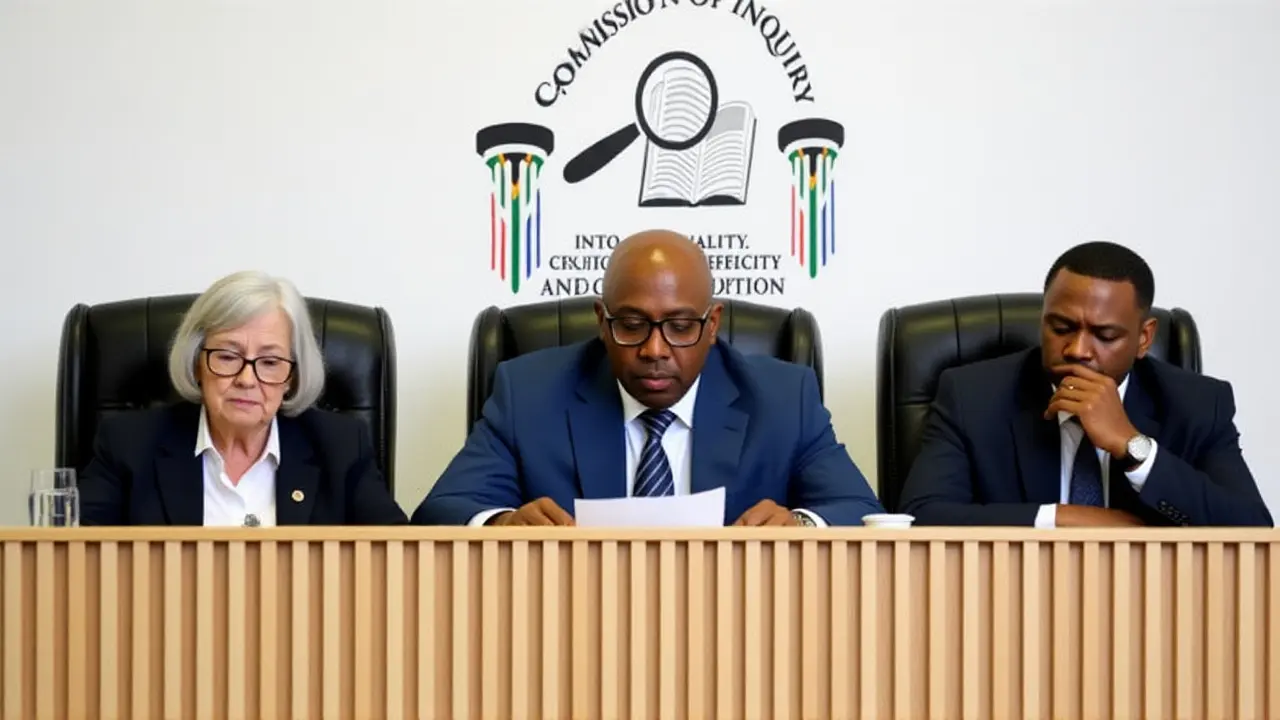
It’s a rare sight in South African public inquiries: a witness who speaks but cannot be seen or heard clearly. The Madlanga Commission of Inquiry has approved an unusual arrangement for a key testimony, allowing a crime intelligence officer known as "Witness G" to speak from the shadows. His voice will be distorted, his location undisclosed, and his identity shielded from prying eyes.
Chairperson Justice Mbuyiseli Madlanga made the call after determining that standard public disclosure was simply not safe for this particular witness. The decision comes at a critical juncture, balancing the commission's mandate for truth against the very real dangers facing those who work inside police covert operations.
A Compromise Born of Conflict
Here’s the thing: this wasn’t a smooth process. Initially, the evidence leaders, spearheaded by Chief Evidence Leader Advocate Matthew Chescolson Essie, pushed hard for fully in-camera hearings. They argued that sensitive details regarding covert police operations could not be disclosed without risking national security and individual lives.
But the press had other ideas. Major news organizations, including Daily Maverick and News 24, firmly opposed closing the doors. Their argument? Transparency is non-negotiable in a democratic inquiry. If the public can’t hear it, how do they know what’s happening?
After intense negotiations that stretched late into the night, a middle ground emerged. Jeremy Michaels, the commission’s spokesperson, confirmed the compromise: Witness G would testify remotely via audio only. The catch? The audio would be muffled and distorted enough to protect his identity while still allowing the media to report on the substance of his claims.
The Stakes: Safety vs. Truth
Why go to such lengths? Witness G isn’t just any officer; he deals directly with agents and informants. His lawyers warned that revealing his identity could place him—and the network of informants he manages—in serious danger. This isn’t hypothetical fear; it’s a documented reality in high-stakes criminal investigations.
Last month, the commission already approved partial in-camera testimony for Witness G based on these safety concerns. Now, the stakes are higher. He is expected to address one of the most controversial figures in recent South African political history: Brown Mogotsi.
Mogotsi, widely described as a political fixer, previously told the commission that he himself was a crime intelligence informant. Witness G’s testimony could either corroborate or dismantle those claims. Given Mogotsi’s profile and the sensitivity of the allegations, protecting the source who can verify or refute them is paramount.
Emotional Undercurrents in the Courtroom
While the technical arrangements dominate headlines, there’s a human element unfolding too. During separate proceedings, another witness, referred to as Witness B, paused to express emotional gratitude to Major-General Nhlanhla Mkhwanazi. She had never met him before his explosive media briefing on July 6, yet his actions clearly impacted her experience within the system.
This moment highlights the personal toll these inquiries take. Behind every legal maneuver and protective order are individuals navigating complex power structures, often with their reputations and safety on the line.
What This Means for Public Trust
The compromise reflects a broader tension in modern governance: how do we ensure accountability when the mechanisms of accountability themselves involve secrecy? By allowing distorted audio broadcast, the commission attempts to satisfy both ends. The media gets content to report on; the witness gets protection.
However, questions remain. How much detail can truly be conveyed through a muffled voice? Will journalists be able to accurately interpret tone, hesitation, or emphasis? These nuances matter in legal contexts. As the testimony proceeds, observers will watch closely to see if this model holds up under scrutiny.
For now, the precedent is set. In cases where witness safety conflicts with full transparency, technology offers a imperfect but viable bridge. Whether this balance serves justice remains to be seen—but it’s certainly a conversation worth having.
Frequently Asked Questions
Who is Witness G and why is his identity protected?
Witness G is a crime intelligence officer involved in handling agents and informants. His identity is protected because revealing it could endanger him and his network of informants, potentially compromising ongoing or past covert operations and putting lives at risk.
Why did Daily Maverick and News 24 oppose the initial proposal?
These media outlets opposed fully in-camera (closed-door) hearings because they believe public inquiries must maintain transparency. They argued that shielding testimony entirely from the public undermines the democratic principle of open justice and accountability.
What role does Brown Mogotsi play in this testimony?
Brown Mogotsi, a controversial political figure, claimed to be a crime intelligence informant during previous commission sessions. Witness G is expected to provide testimony that may verify or challenge Mogotsi’s claims, making his input crucial to understanding the scope of political interference.
How will the public access Witness G’s testimony?
The testimony will be transmitted remotely via audio only. While the witness will remain unseen and his voice will be digitally distorted to disguise his identity, the audio feed will be available to the media and public, ensuring some level of oversight.
Is this type of testimony common in South African commissions?
It is relatively uncommon. Most witnesses appear in person, even if certain parts of their testimony are held in-camera. Using remote, distorted audio as a primary method of testimony represents a significant procedural adaptation driven by specific security risks associated with intelligence personnel.