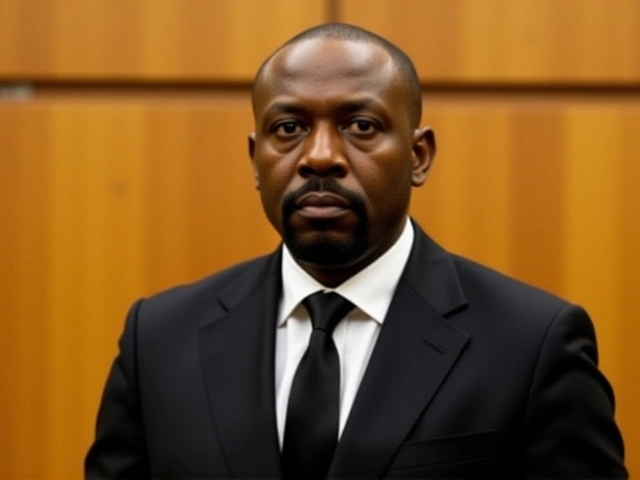
Education in Africa: News on University Governance, Policy, and Student Impact
When we talk about Education, the system of teaching and learning that prepares people for work, civic life, and personal growth. Also known as learning systems, it is the backbone of Africa’s future—shaped by leaders, policies, and the quiet struggles of students trying to get through class. In countries like Kenya, education isn’t just about textbooks and exams. It’s about who gets to choose the university leaders, whether politicians respect academic freedom, and what happens when a ministry steps in where it shouldn’t.
University governance, the structure and decision-making process that runs a university, including hiring leaders, managing budgets, and protecting academic standards. This is where things get real. Take Ben Chumo’s resignation as chair of Kenyatta University’s council. He didn’t leave because he wanted to. He walked away because the Ministry of Education pushed its own candidate for vice-chancellor, ignoring the university’s own selection process. That’s not just bad practice—it’s a direct threat to academic autonomy, the right of universities to make their own decisions without political interference. When a government picks a leader instead of letting experts choose, it doesn’t just hurt one university. It sends a message to all 42,000 students at Kenyatta University: your education is now subject to politics.
The Ministry of Education, the government body responsible for setting national education policy, funding, and oversight of schools and universities. often says it’s trying to improve quality. But when it overrides local selection committees, it’s not improving—it’s controlling. And that control doesn’t stop at appointments. It affects research funding, curriculum changes, even which voices get heard on campus. This isn’t just a Kenya issue. Similar patterns show up in Uganda, Nigeria, and beyond. The pattern is clear: when ministries treat universities like branches of their office, innovation dies.
What you’ll find here isn’t just news about resignations or press releases. It’s the real impact on classrooms, libraries, and graduation days. You’ll see how funding cuts, political appointments, and student protests all tie back to one thing: who really runs African education. Whether it’s a professor fighting for tenure, a student union demanding transparency, or a new policy that changes how science is taught—this is where it’s tracked, explained, and put into context. No fluff. No spin. Just what’s happening, and why it matters to the next generation of African leaders.
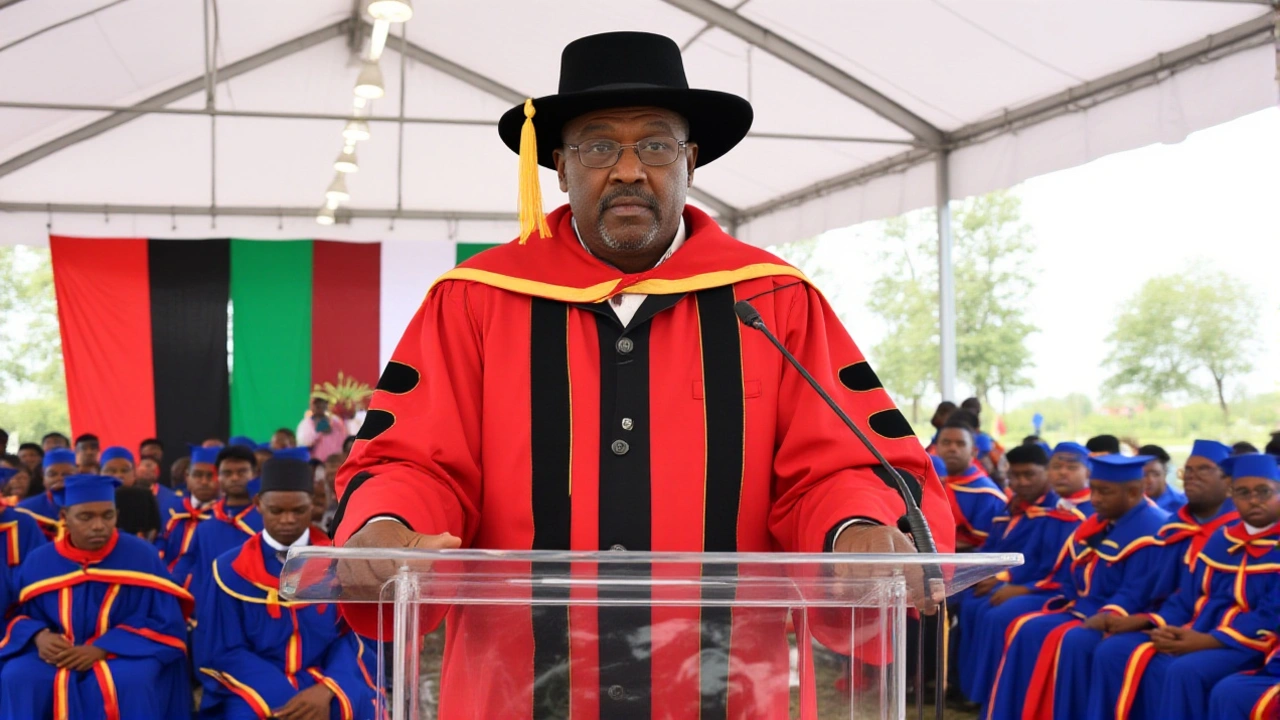
Ben Chumo resigns as Kenyatta University Council chair over ministry interference in VC selection
Ben Chumo resigned as Kenyatta University Council chair after the Ministry of Education interfered in the Vice-Chancellor selection process, sparking concerns over academic autonomy. The move impacts 42,000 students ahead of Prof. Paul Wainaina’s January 2026 retirement.
Categories
- Sports (149)
- Politics (22)
- Entertainment (21)
- World (15)
- News (10)
- Lifestyle (8)
- Business (6)
- Technology (3)
- Health (3)
- Environment (2)
Popular Articles